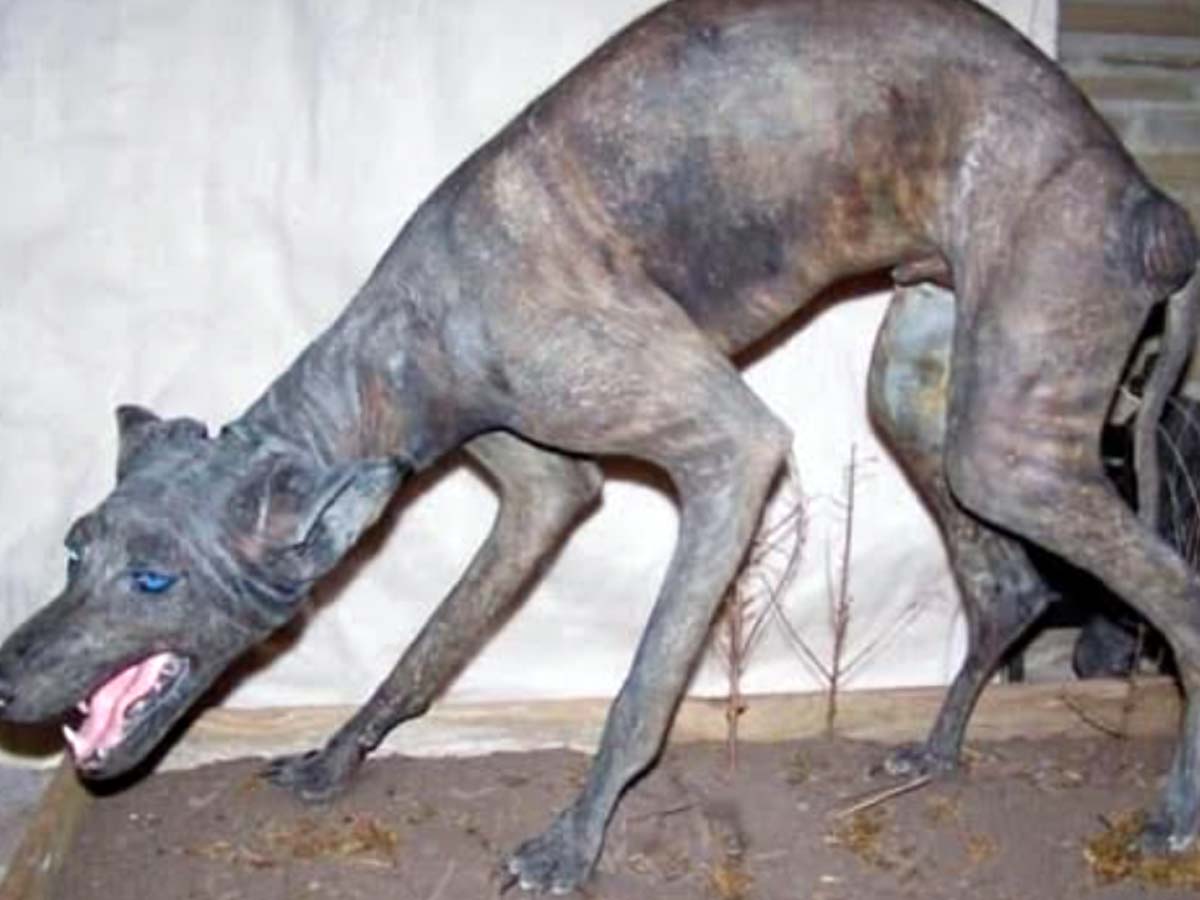
The mysterious creature known as the Chupacabra continues to trend online, with viral posts claiming it still attacks animals and drains their blood. From blurry photos to shocking eyewitness stories, the legend refuses to fade. But is there any real evidence behind it, or is it just another internet-fueled myth? Here’s a deeper, fact-based investigation.
What Exactly Is the Chupacabra?
The Chupacabra is described as a creature that attacks livestock – especially goats, and supposedly drinks their blood. The name itself comes from Spanish, meaning “goat sucker.”
Over time, two main versions of the creature have emerged:
- A reptile-like figure with spikes, glowing eyes, and an alien appearance
- A hairless dog-like animal, often thin, with rough skin and sharp teeth
This drastic difference in descriptions is one of the biggest clues that something isn’t adding up.
Is Chupacabra Real or Fake?
There is no confirmed scientific evidence that the Chupacabra exists as a real species.
- No body, skeleton, or DNA sample has ever proven a new unknown creature
- Every tested Chupacabra specimen has turned out to be a known animal
- Experts widely classify it as a modern myth or urban legend
Conclusion : The Chupacabra is not real as a biological creature, but very real as a cultural story.
Origin of the Panic
The legend first gained attention in the 1990s when farmers reported strange livestock deaths. Animals were found with wounds that people believed were unusual.
However, later analysis showed:
- Many animals still had blood inside their bodies
- Injuries were consistent with predator bites, not precision “blood-draining”
- Fear and rumors spread faster than verified facts
This created a classic case of mass panic mixed with mystery.
Scientific Explanations Behind Sightings
Diseased Animals (Most Common Explanation)
Many sightings match animals suffering from mange, a skin disease caused by parasites.
- Causes extreme hair loss
- Makes animals look thin, gray, and alien-like
- Leads to unusual behavior, including attacking easy prey like livestock
This explains why so many Chupacabras look like strange, hairless dogs.
Predator Behavior Misunderstood
Normal predators often:
- Attack the neck or throat
- Leave puncture wounds
- Avoid eating the entire bod
At night, these attacks can appear mysterious, especially when seen the next morning without context.
Optical Illusions and Night Sightings
Most sightings happen:
- In low light or darkness
- From a distance
- Under fear or stress
This increases the chances of misidentification, where the brain fills in gaps with imagination.
Role of Media and Pop Culture
The Chupacabra story grew rapidly due to:
- Sensational TV reports and headlines
- Horror-style storytelling
- Viral social media posts
Interestingly, early descriptions closely resembled creatures seen in science-fiction films of that era. This suggests that human imagination played a strong role in shaping the legend.
Key Facts You Should Know
- No government or scientific body has confirmed its existence
- All examined evidence has been explained by known animals
- Blood-draining claims are scientifically inaccurate
- Descriptions are inconsistent across regions and time
Keywords : Chupacabra real or fake, Chupacabra truth 2026, is Chupacabra real evidence, mystery creature fact check, viral animal myth explained

