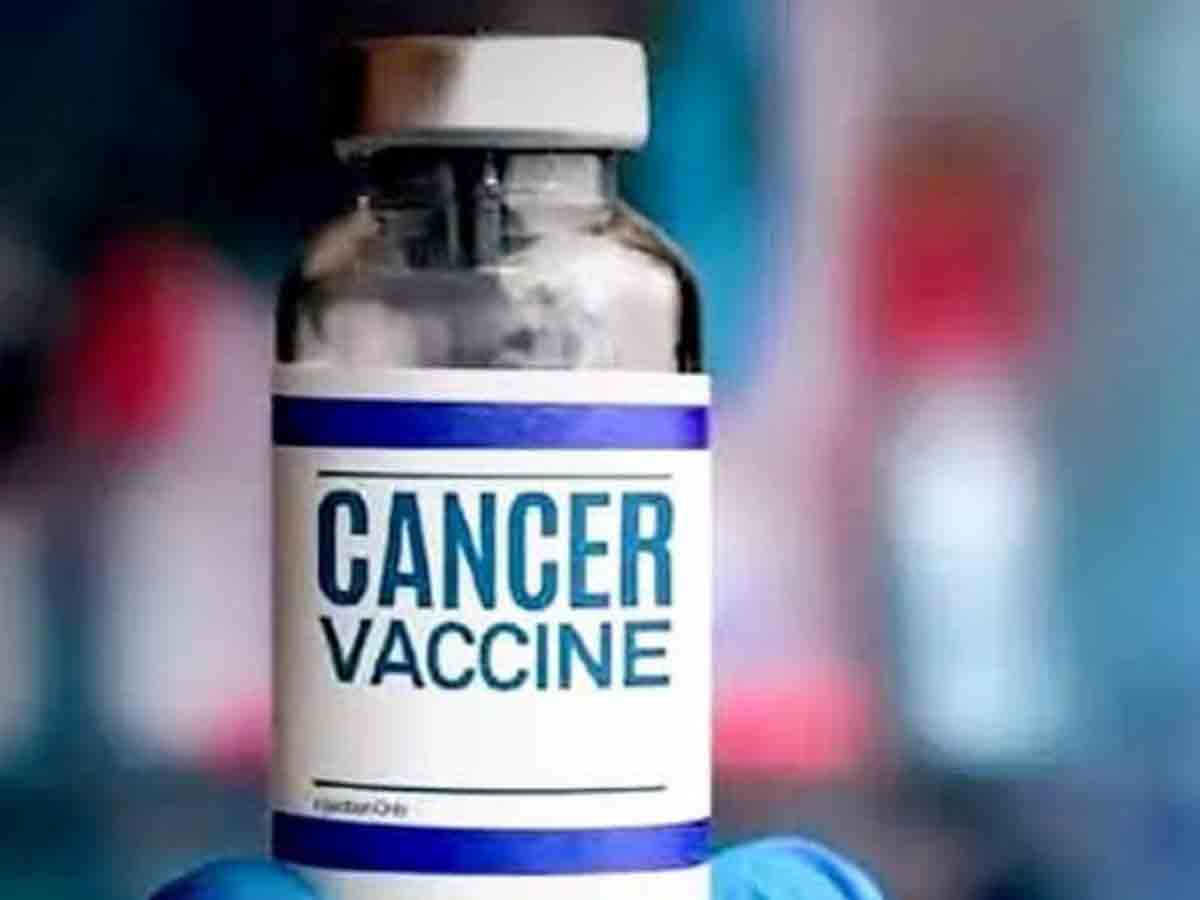
In recent months, many people have been asking one question that the Russia cancer vaccine real or fake? The news about a new cancer vaccine called Enteromix from Russia has gone viral worldwide. Let’s break down what it is, what experts are saying, and what we actually know so far.
What Is the Russia Cancer Vaccine?
The vaccine is called Enteromix and is being developed by Russia’s Federal Medical and Biological Agency (FMBA). It uses mRNA technology, similar to the technology used in COVID-19 vaccines.
Unlike regular vaccines that prevent diseases, this cancer vaccine is designed to help the immune system recognize and attack cancer cells in patients who already have cancer.
What Has Been Announced
- Russian scientists say the vaccine has shown 60–80% tumor reduction in preclinical studies.
- Reports claim it has been tested safely in animals and is moving to human clinical trials.
- Some news outlets even mention 100% effectiveness in certain controlled trials, but this needs careful interpretation.
What We Don’t Know Yet
Even though the news is exciting, there are still many unanswered questions:
- Human trials : Large-scale human results have not been published yet.
- Cancer types : The vaccine is mainly being studied for colorectal cancer, but it’s not clear if it will work for other cancers.
- Scientific data : Detailed peer-reviewed studies are not publicly available.
- Global approval : No international medical body has approved it yet for general use.
Russia Cancer Vaccine Real or Fake?
So, is the Russia cancer vaccine real or fake?
- Real – The vaccine exists, is under development, and has shown promising early results.
- Not fully proven – There is no strong published evidence yet to confirm it works in humans at large scale.
In short : it is real research, but not a confirmed cure for cancer at this stage.
Conclusion
The Russia cancer vaccine is an exciting development, but people should be cautious about believing headlines that call it a miracle cure. Until large human trials are completed and results are published, it’s too early to say how effective it truly is.
For now, the best approach is to stay informed through trusted medical sources and wait for more official updates.