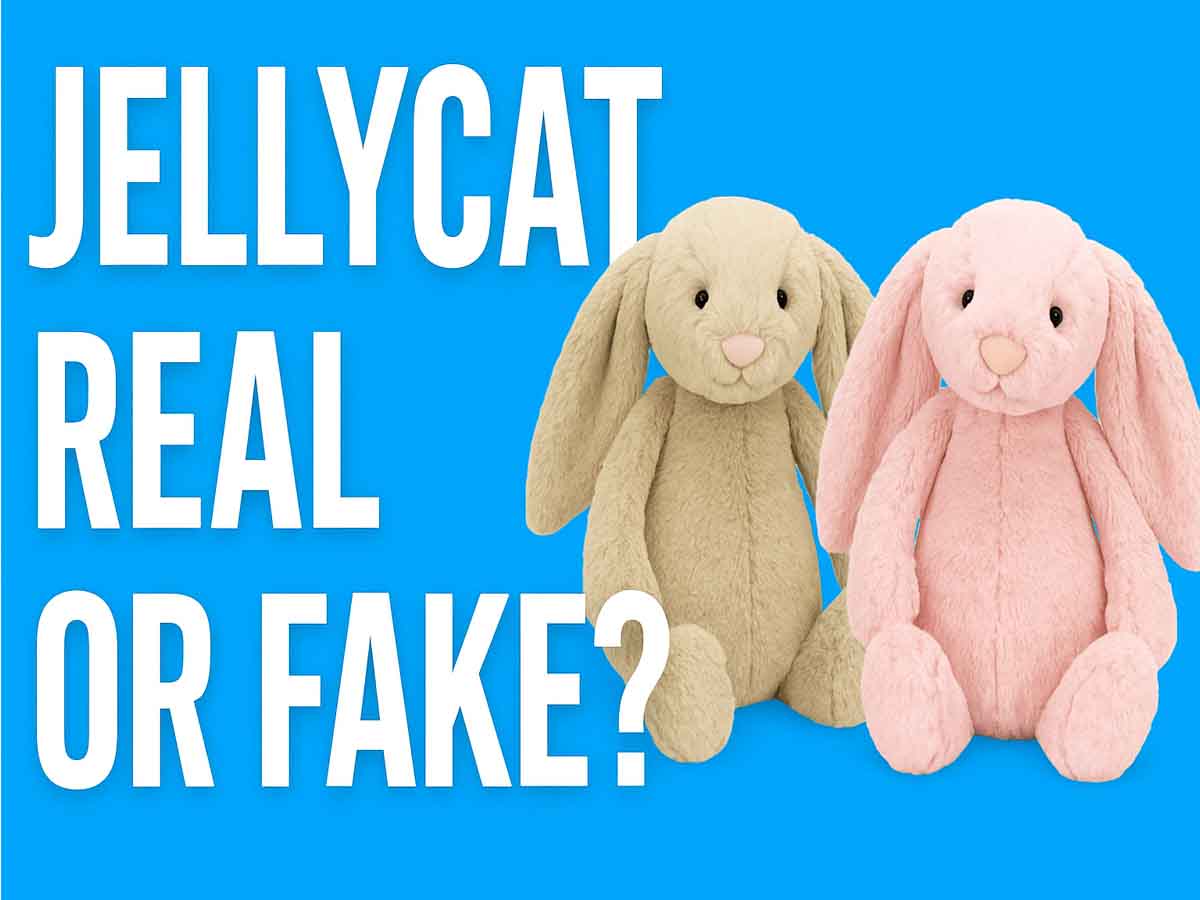
Jellycat plush toys are loved all around the world for their soft feel and cute designs. But because they are so popular, many fake Jellycat toys have started appearing online. If you are trying to figure out Jellycat real or fake, this easy guide will help you check authenticity and avoid scams.
Why You Should Check If a Jellycat Is Real
Real Jellycats are made with high-quality materials and tested for safety. Fake ones may look similar but often have poor stitching, cheap fabric, and no safety checks. This can be risky for kids and disappointing for collectors.
So before buying, it’s important to know how to tell the difference between a real Jellycat and a fake one.
How to Tell If Your Jellycat Is Real or Fake
Always Check the Tags
Real Jellycat toys come with:
- A swing tag (the paper tag) with clear printing
- A fabric care label stitched inside
Fake toys often have:
- Blurry printing
- Spelling mistakes
- Wrong fonts or missing labels
Also, the swing tag should feel strong and high-quality. Fake tags feel cheap and light.
Look at the Quality of the Fabric
Real Jellycats use very soft, premium plush fabric.
Fake ones:
- Feel rough
- Have uneven fur
- May look too shiny
If the toy feels cheap, it is likely not genuine.
Check the Stitching
Original Jellycats have neat, clean stitching.
Fake ones often show:
- Loose threads
- Crooked seams
- Eyes or nose placed incorrectly
A high-quality plush will never have sloppy stitching.
Verify the Style Name or ID
Each Jellycat design has an official name or style ID on its tag.
If the ID does not match any product on the official Jellycat website, it might be fake.
Compare the Price
If the price is too cheap, it’s a warning sign.
Real Jellycats are premium toys, so big discounts or “rare Jellycat for low price” posts are usually scams.
Buy from Trusted Sellers
To avoid fakes, always shop from:
- The official Jellycat website
- Authorized Jellycat retailers
- Reputable toy stores
If buying second-hand, ask the seller for clear photos of the tag, overall toy, and stitching.
What To Do If You Think You Bought a Fake Jellycat
- Contact the seller and ask for a refund
- Report the listing on the website or marketplace
- Contact Jellycat’s brand protection team
Keeping your receipt or order screenshot helps if you need proof.
Conclusion
Finding out whether a toy is Jellycat real or fake is easy if you know what to look for. Check the tags, fabric quality, stitching, and seller reputation. When in doubt, compare your toy to pictures from the official website.
Buying from trusted sources ensures you get a soft, safe, and original Jellycat.

